
 BattleVR
 BATTLEVEMS
Agincourt capability portfolio
Training, Simulation and Decision-Support Systems
Agincourt develops immersive training, synthetic-environment integration and operational decision-support technology for defence, law enforcement and public-safety organisations.
From individual skills and collective exercises to scenario control, performance evidence and geospatial planning, our systems help teams train, assess and prepare in repeatable environments.
Capabilities
One connected portfolio, five operational needs
Start with the capability you need. Each route connects to the relevant training systems, software and deployment options.
Train
Immersive, range-based and process training for individuals and teams, with configurable scenarios and instructor control.
Plan & Command
Develop scenarios, compare courses of action and control exercises through shared 2D and 3D operational views.
Manage
Coordinate training records, schedules, readiness evidence and deployed range monitoring.
Integrate
Connect synthetic environments, sites and performance data without forcing instructors into separate workflows.
Identify
Use structured, explainable image recognition to support military-equipment identification and learning.
Immersive training
Train skills, judgement and teamwork
BattleVR supports immersive military and law-enforcement exercises using configurable scenarios, synthetic weapons and instructor-led progression.
YEOMAN delivers individual Counter-UAS skills training through projected screens or immersive VR, combining repeatable threats, red-force control and evidence-led review. Explore YEOMAN.
Realistic synthetic weapons are central to the experience. Platform-representative training weapons provide tracked aiming, configurable recoil and sensory feedback so trainees can practise handling, marksmanship and decision-making without live ammunition.
Archer supports indoor and outdoor marksmanship training and judgemental video exercises. ArcheonXT provides modular synthetic weapon and recoil hardware across multiple make and model form factors.
FieldVR supports police process training, while LancerVR addresses anti-armour training requirements.
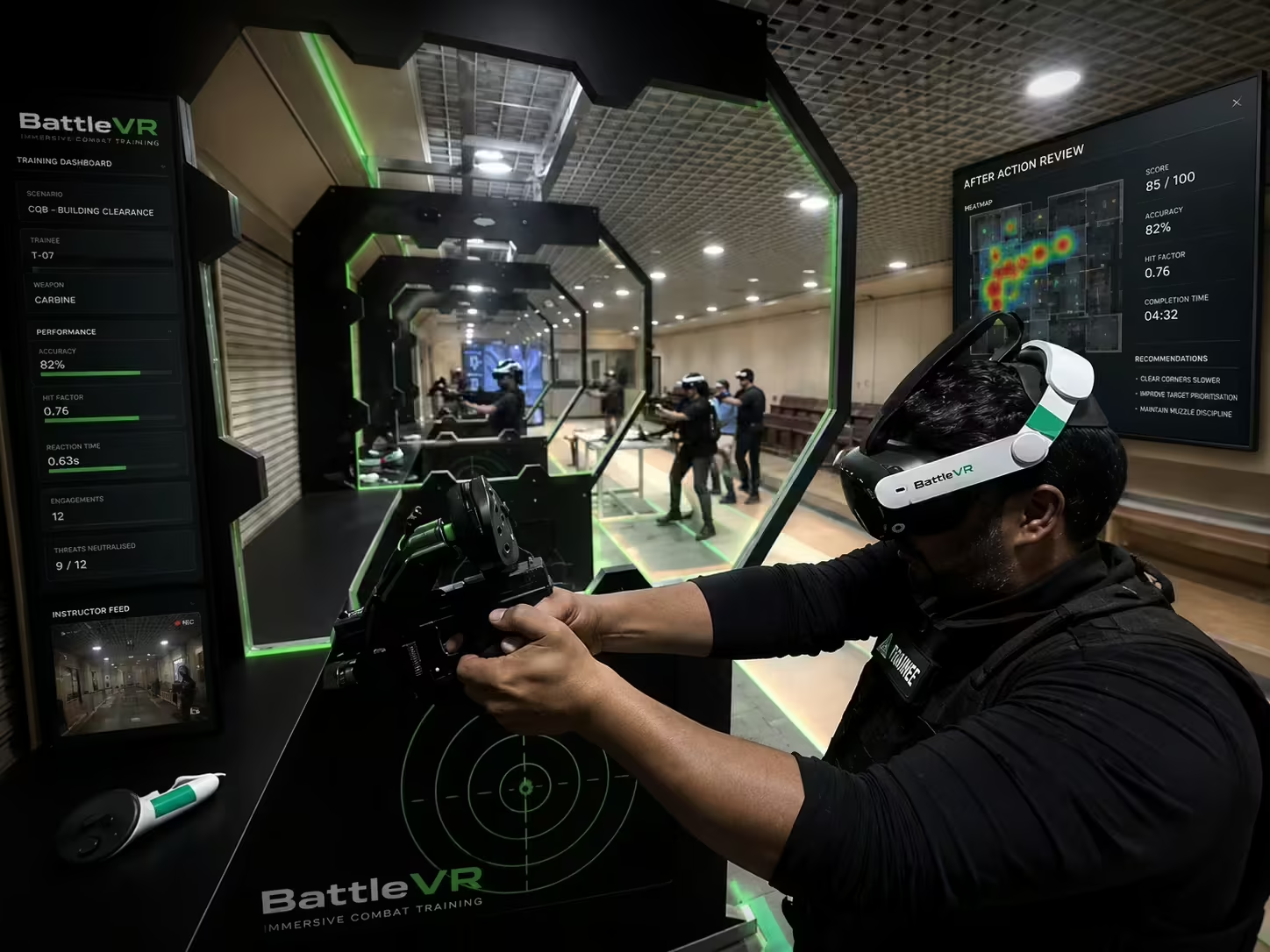
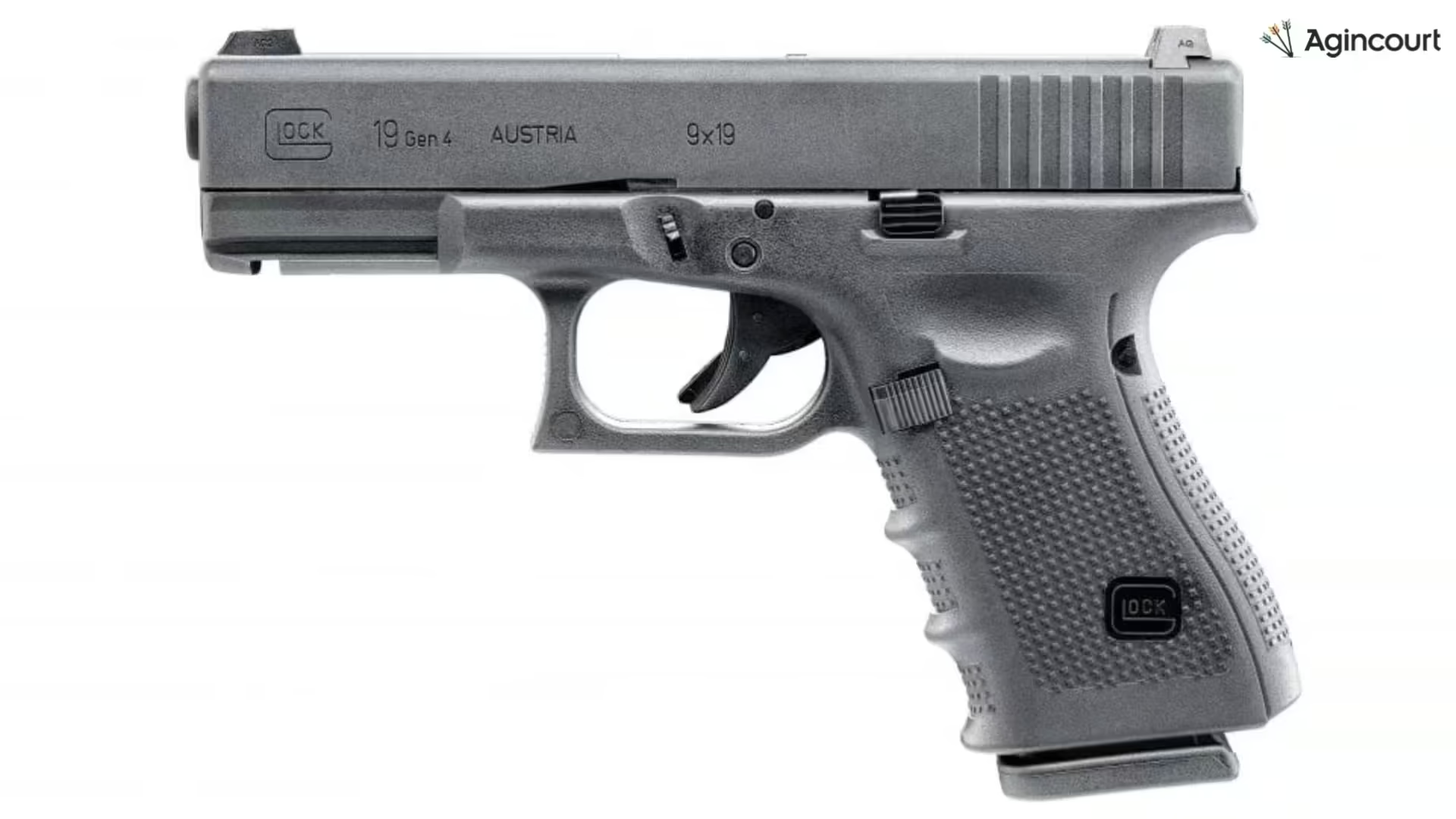
Realistic synthetic weapon handlingTracked aiming, configurable recoil and sensory feedback for repeatable training.
Plan, command and integrate
Move from isolated simulations to a shared operational picture
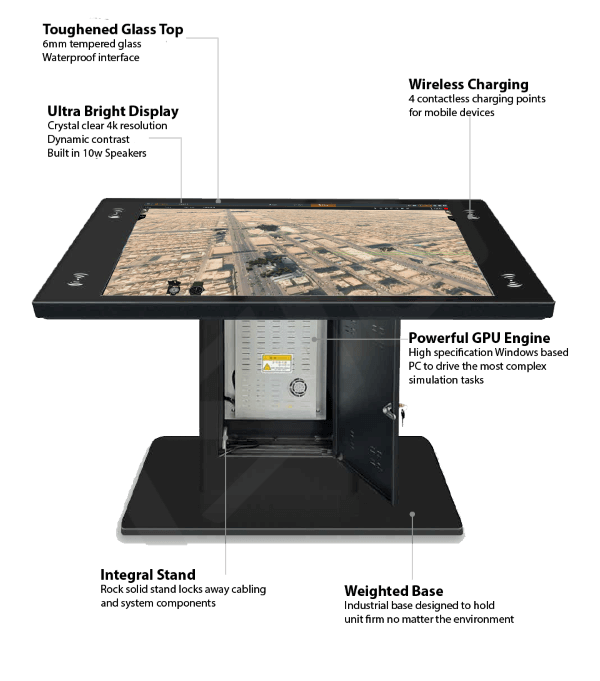
HAWK provides 2D and 3D battlefield simulation and exercise-control interfaces.
metaCAN connects synthetic training environments, distributes scenarios and brings performance information together across sites.
This creates a clearer route from scenario preparation and instructor control to after-action analysis while keeping each product’s role distinct.
Connected synthetic training
Connect training environments, instructors and performance data
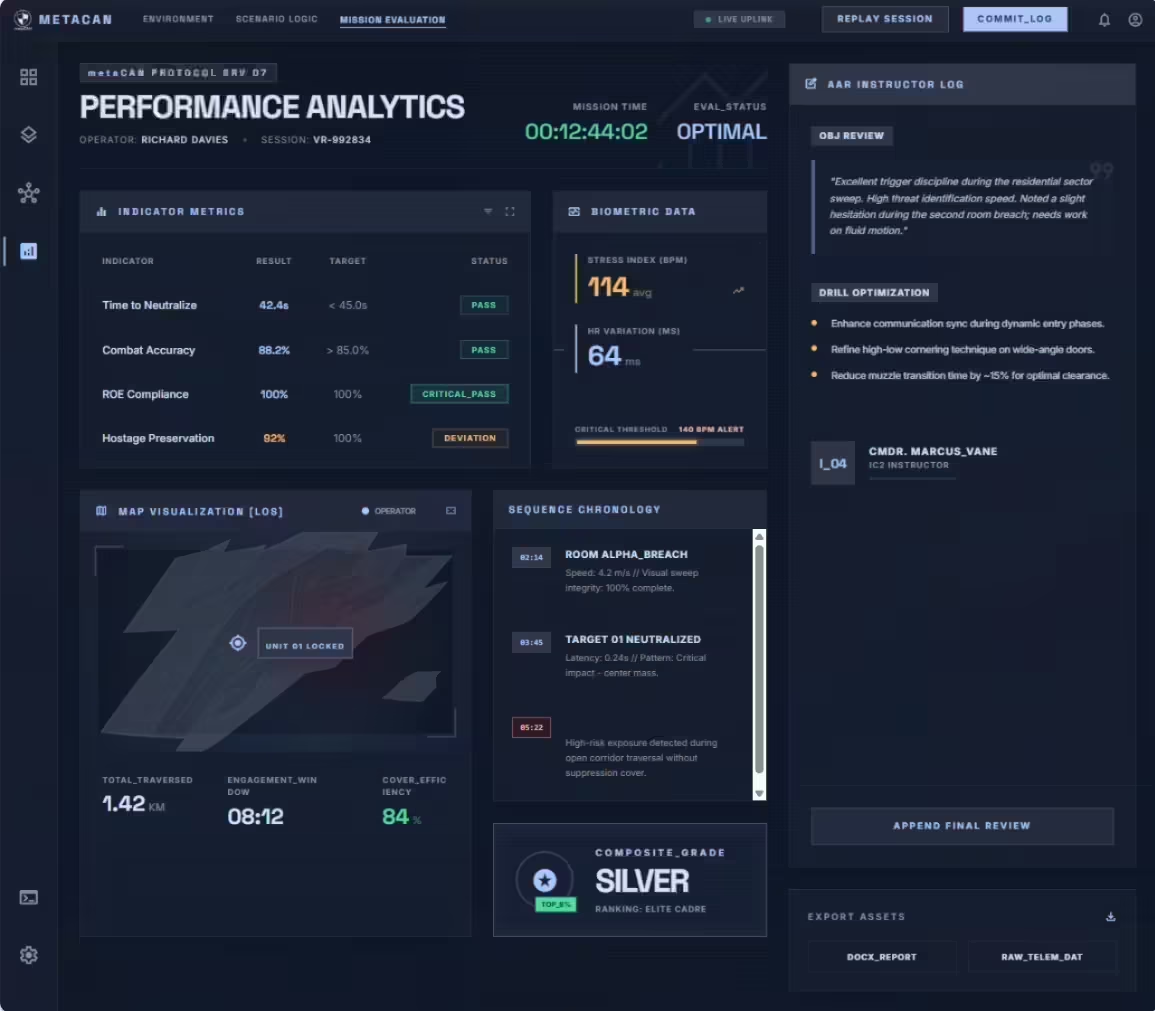
metaCAN is Agincourt’s integrated synthetic training environment platform. It connects training systems across one or multiple sites, distributes scenarios and brings instructor controls, session data and performance evidence into a shared environment.
Training teams can prepare exercises, monitor activity and review results without rebuilding the same scenario or moving information between disconnected systems.
Its modular architecture supports phased deployment, from a single training facility to a connected multi-site capability.
Development capabilities
Available for demonstration and evaluation
These systems are under active development. Their current status is stated clearly so organisations can evaluate the direction of each capability without confusing it with a fully deployed product.
Beta
JANUS
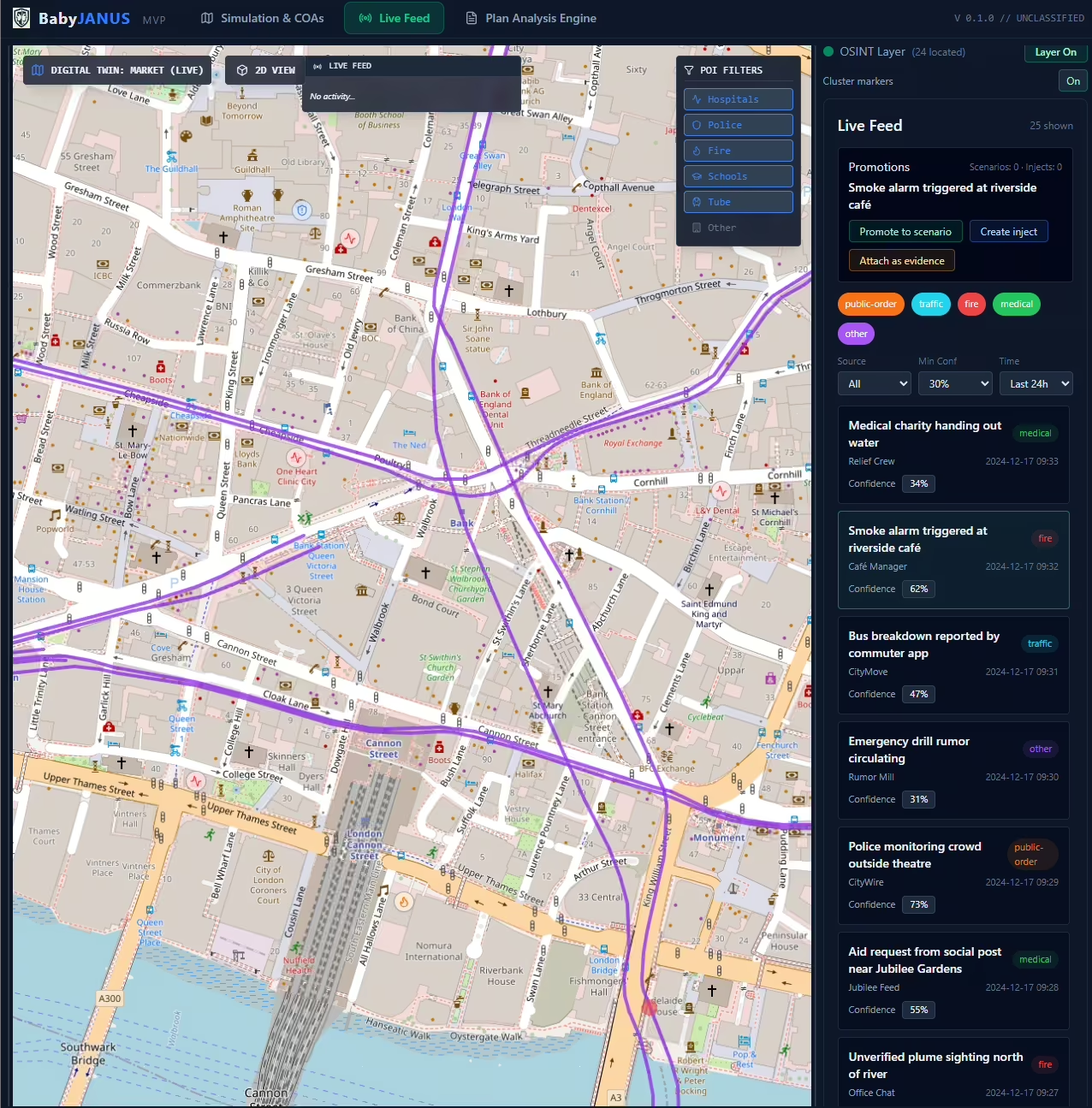
A geospatial decision-support, simulation and operational-planning platform for military, police, civil-resilience and emergency-response organisations.
JANUS brings course-of-action development, scenario simulation, external observations and after-action review into a shared 2D and 3D environment. External reports retain source, time, location, confidence and provenance, with human approval before they enter a scenario.
Beta
Sentinel
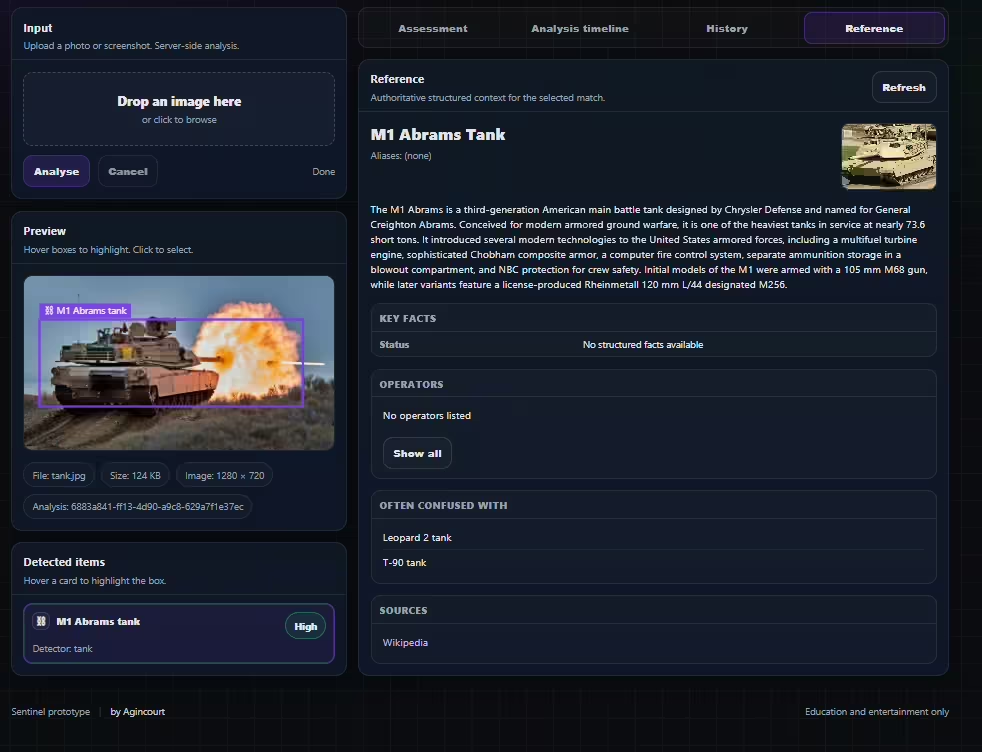
A mobile and web-based military-equipment recognition tool for identifying vehicles, aircraft, weapon systems and other hardware from photographs or screenshots.
Sentinel returns a likely identification, confidence rating, alternative matches and the visible recognition cues behind its assessment. It is intended for education and research—not targeting, tactical advice or operational analysis.
Under development
Insight Live
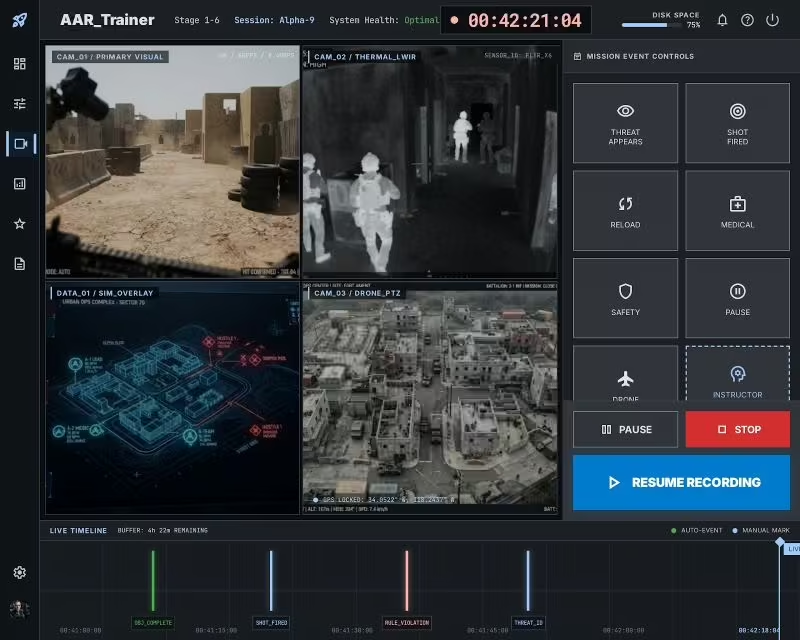
An after-action review capability being developed to bring live video, sensor feeds, simulation data and instructor-marked events into one synchronised exercise timeline.
Insight Live is designed to help instructors reconstruct key moments across multiple sources and build evidence-led debriefs around observable events and decisions.
Established products
Specialist systems with defined roles
Immersive VR/AR training for military and law-enforcement scenarios.
Screen-based and immersive Counter-UAS skills training with instructor-controlled and AI-supported threat behaviour.
Indoor, outdoor and judgemental small-arms simulation.
Synthetic weapon and recoil hardware for realistic handling and feedback.
2D/3D battlefield simulation and exercise-control interfaces.
Lesson planning, student records, activity tracking and readiness evidence.
Portable monitoring for deployed firearms ranges and instructor workflows.
Evidence before claims
Build the training case on traceable sources
Simulation can improve access, repeatability and the ability to review performance, but the result depends on the learning objective, scenario design, instructor practice and implementation.
Our evidence section separates published research, programme examples and Agincourt capability statements so decision-makers can see what each source actually supports.
Bring us the training or planning problem
Tell us about the users, exercise, systems, deployment environment and evidence you need. We will route the discussion to the relevant capability team.